Types of Power Outages
📍
Local Outages: Affect a small area (e.g., fallen lines, equipment failure).
🏙️
Widespread Outages: Impact larger regions (e.g., severe weather, major infrastructure).
Get essential electrical safety tips, urgent service updates, and exclusive offers delivered straight to your inbox.
Posted on: 2026-01-07
By: Evelyn Grant
Have you ever found yourself in the dark, wondering what to do next? Power outages can catch anyone off guard, but knowing how to respond can make all the difference. Let’s explore the key insights that will help you navigate these situations effectively.
This visual outlines the types of power outages, their common causes, and crucial actions to take before and after power restoration in Sydney. For more information on electrical safety, check out the Electrical Safety Tips page.
Local Outages: Affect a small area (e.g., fallen lines, equipment failure).
Widespread Outages: Impact larger regions (e.g., severe weather, major infrastructure).
Severe Weather: Storms, strong winds disrupting lines.
Equipment Failure: Aging or malfunctioning infrastructure.
Planned Maintenance: Scheduled upgrades by power companies.
Food Spoilage: Perishables spoil over 4°C:
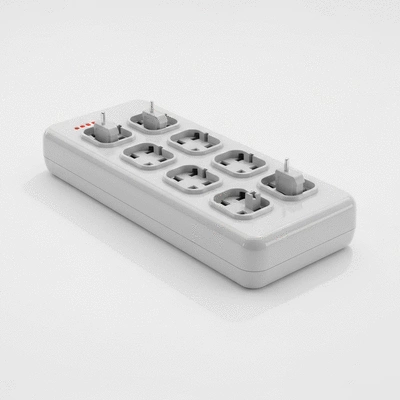
Electrical Surges: Use surge protectors, unplug sensitive electronics.
Power outages can be a frustrating disruption, especially when they happen unexpectedly. For us in Sydney, understanding the nature of these outages is crucial. They can range from brief interruptions to extended blackouts, and knowing what to expect can help us respond effectively. Let's dive into the different types of power outages you might encounter in our beautiful city!
Power outages in Sydney can be categorized into two main types: local and widespread. Understanding the difference can help you determine the best course of action in these situations. Here’s a quick breakdown:
Identifying the type of outage can not only help you stay calm but also guide you on whether to wait it out or seek help. After all, knowing the landscape of power outages in Sydney is key to being prepared!
To differentiate between local and widespread outages, look for signs around your neighborhood. If only your home is affected, check your circuit breaker. But if several houses are dark, it’s likely a larger issue. Remember, local electricians like those at Electricians Near Me can assist quickly with local outages!
Several common factors can lead to power outages in our area. While we often think of wild weather, there’s more to the story:
Understanding these causes can help you stay informed and prepared. If you notice storm clouds brewing, it might be time to take precautions! For common electrical problems and solutions, take a look at our guide on Common Electrical Problems and Solutions.
When the lights go out, don’t panic! There are several steps you can take to ensure your safety and minimize inconvenience. Here’s how to handle a power outage efficiently:
The first thing to do is confirm that it’s not just your home. Check with neighbors or call your local utility provider. This will help you understand the scope of the issue.
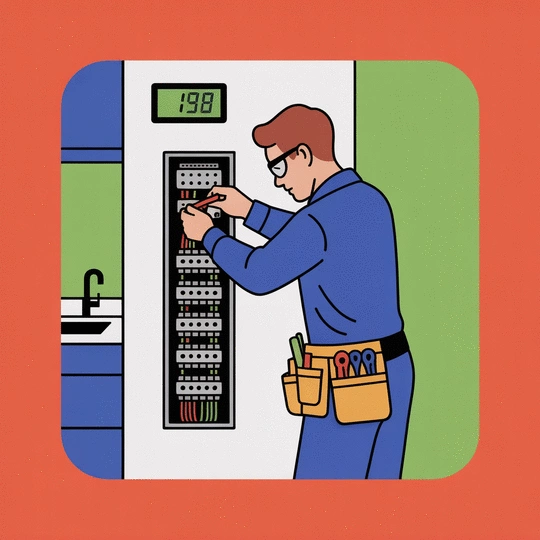
Head to your circuit breaker! Sometimes, a tripped breaker can be the culprit. If you see a switch in the off position, that might be the problem! Resetting it could restore power.
To prevent damage from electrical surges when the power returns, it’s smart to unplug essential appliances. This includes your fridge, computer, and anything else you can’t afford to lose!
While candles can provide light, they also pose a fire risk. Instead, use flashlights or battery-operated lights to stay safe. Remember, safety first!
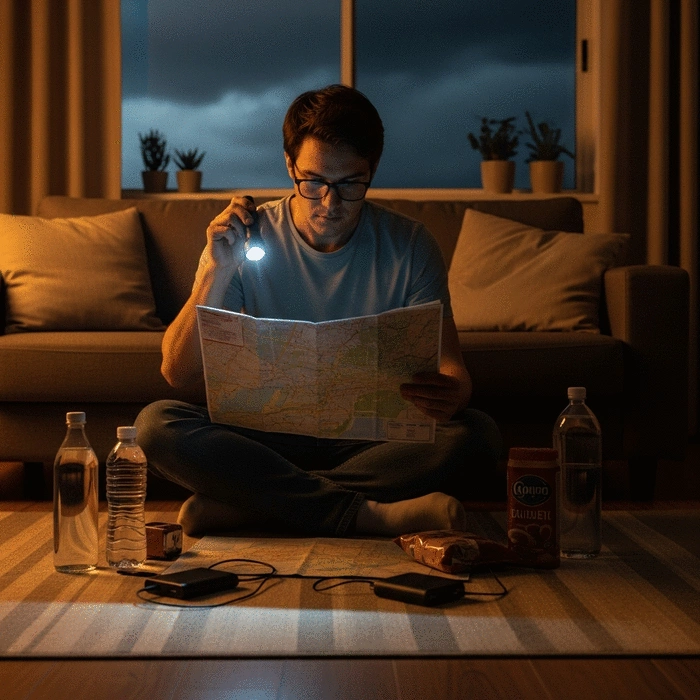
Did you know? Keeping a power outage kit ready can save you time and stress during unexpected blackouts. Include essentials like a flashlight, batteries, non-perishable food, and bottled water. Regularly check and update your kit to ensure you’re always prepared!
After a power outage, it’s crucial to take specific actions to ensure your safety and restore normalcy. At Electricians Near Me, we understand how unsettling it can be when the lights go out unexpectedly. Once power is restored, you’ll want to assess the situation carefully to avoid potential risks. Here’s a guide to help you navigate the aftermath of a power outage!
Once your power is back on, there are a few risks to be aware of. Making sure you're informed can save you from unnecessary stress. Let's look at some key considerations:
Being aware of these factors can help you act quickly and keep your home safe. For instance, if you notice any strange sounds or flickering lights after restoration, it's time to call a professional. Your safety is our top priority!
When the power goes out, it's essential to keep track of how long your food has been without refrigeration. Here’s a basic timeline to consider:
It’s a good idea to have a thermometer in your fridge to monitor the temperature even during outages. This could save you from food waste and potential health issues!
Electrical surges can be damaging to your appliances, leading to costly repairs. Here’s what you can do:
It’s wise to have surge protectors installed throughout your home to safeguard against potential damage. If you're unsure about the status of your electrical system, don't hesitate to reach out to a licensed electrician!
During and after a power outage, knowing where to find help is essential. At Electricians Near Me, we’re here to connect you with the right professionals when you need them most.
Identifying when to reach out for assistance can be tricky. Here's a quick guide:
Being proactive and knowing your emergency contacts can make all the difference when disaster strikes. Don’t wait until it’s too late—keep those numbers handy!
When faced with an emergency, time is of the essence! Here’s what you need to remember:
Having these numbers stored in your phone can provide peace of mind. Remember, it’s always better to err on the side of caution!
If you’re dealing with major electrical issues, you might need specialized help. Here’s when to reach out:
Don’t hesitate to call for help! Our team at Electricians Near Me is ready to connect you with reliable professionals. Learn more about what a Level 2 Electrician does and why they might be necessary for complex electrical work.
As we conclude this guide, remember that being prepared is the best defense against future outages. A little planning now can make a significant difference later!
Regularly checking and updating your emergency kit ensures you have the essentials when you need them. Consider the following:
Keeping your emergency kit fresh and ready can provide peace of mind during unexpected events.
Lastly, let’s work together! Share this information with friends and neighbors. A prepared community is a safer community. Consider:
Together, we can ensure everyone knows how to respond effectively to power outages. At Electricians Near Me, we’re here to support you every step of the way!
Local outages affect a small area, often caused by issues like fallen power lines or equipment failures. Widespread outages impact larger regions due to severe weather or major infrastructure problems.
Common causes include severe weather (storms, strong winds), equipment failure (aging or malfunctioning infrastructure), and planned maintenance by power companies.
First, confirm the outage by checking with neighbors or your utility provider. Then, check your circuit breaker for tripped switches, unplug essential appliances to prevent surge damage, and use flashlights instead of candles for safety.
Food is generally fine for less than 2 hours. Between 2-4 hours, it's at risk, and anything perishable should be discarded after 4 hours if the temperature rises above 4°C (39°F).
You should call a professional electrician if you experience frequent outages, flickering lights, or significant power surge damage to your appliances. For major electrical problems, a Level 2 electrician might be needed. For emergencies, contact SES (132 500) or Triple Zero (000).
Most home renovation delays don't come from th