Smart Home Wiring Essentials
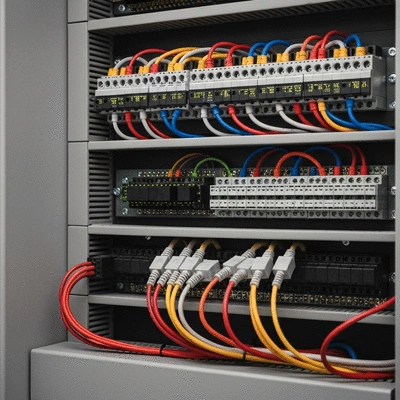
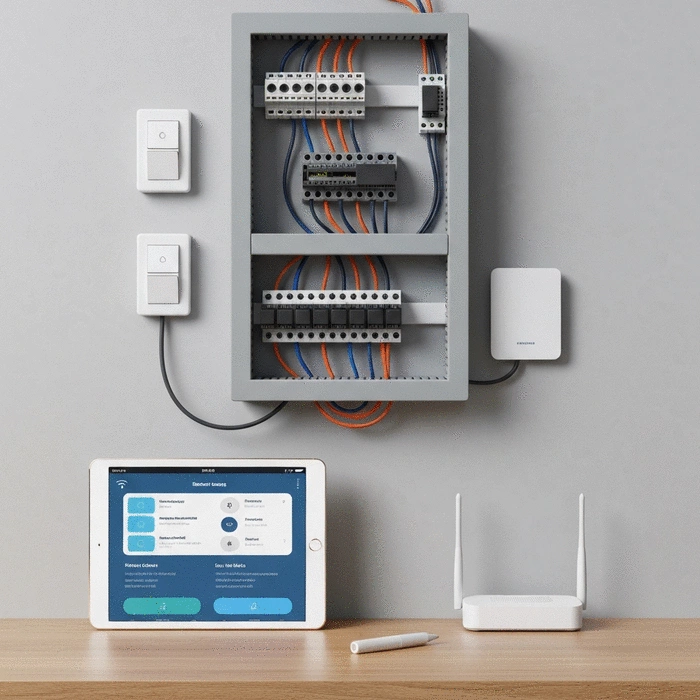
- Ethernet Cabling: For fast, reliable internet.
- Power Circuits: Dedicated for high-demand devices.
- Neutral Wires: Essential for safety and device function.
*Crucial for a connected environment.
Get essential electrical safety tips, urgent service updates, and exclusive offers delivered straight to your inbox.
Posted on: 2026-02-14
By: Evelyn Grant
Are you ready to turn your home into a smart oasis? The secrets to achieving a seamless smart home experience lie within the wiring. With the right knowledge, you can ensure that your devices work together flawlessly.
Ensuring your smart home in Sydney runs efficiently and safely involves understanding key wiring components and adhering to vital maintenance practices. This visual outlines the core elements and crucial steps for a reliable smart home setup. For more insights into maintaining your home's electrical health, consider reading about essential electrical safety inspections in Sydney.
*Crucial for a connected environment.
*Ensures safety and seamless device communication.
*Prevents outages and ensures efficiency.
*Proactive safety protects your investment.
As we dive into the world of smart homes, it's essential to understand the electrical wiring that makes it all possible! Smart home wiring is not just about convenience; it’s about creating a connected environment where your devices work in harmony. In Sydney, having a comprehensive electrical setup means incorporating key elements like Ethernet cabling, power circuits, and neutral wires.
Imagine flipping a switch and instantly controlling your lights, thermostat, and even your entertainment system! This integration requires a solid foundation of wiring, enabling various devices to communicate effectively. Let's explore the essentials that you need to create your smart home oasis!
Each of these components plays a crucial role in your smart home ecosystem. For instance, Ethernet cabling is vital for streaming and controlling devices without lag, while dedicated power circuits prevent overloads during peak usage. Neutral wires, often overlooked, are essential for the safe operation of any electronic equipment.
When it comes to smart home wiring, compliance isn't just a box to check—it's a crucial element for safety! In Australia, we adhere to specific standards, notably the AS/NZS 3000, which guides safe electrical installations. For comprehensive information on ensuring your home meets these crucial safety guidelines, check out our article on scheduling electrical safety inspections.
Additionally, incorporating RCDs (Residual Current Devices) or safety switches isn’t just recommended; it’s essential. These devices protect against electrical shocks and ensure that your home remains a safe haven.
With a variety of smart devices on the market, ensuring compatibility is key to a seamless experience. From smart speakers to security cameras, you’ll want to guarantee that all devices can communicate effectively within your electrical system.
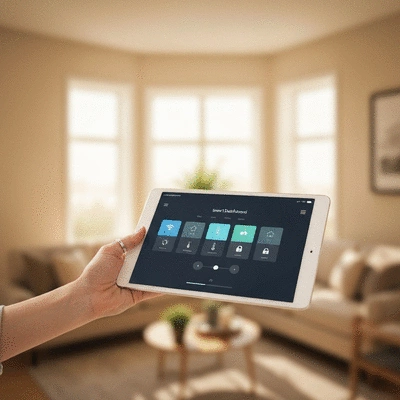
This compatibility not only enhances functionality but also allows for centralized control. Imagine being able to manage your lights, thermostat, and security system all from one app! That’s the magic of a well-planned smart home wiring setup.
Now that we’ve covered the basics of smart home wiring, let’s explore how to tailor your electrical setup according to specific rooms in your home!
As you consider upgrading your home to a smart home, what feature excites you the most? Is it the convenience of controlling everything with your smartphone, the energy efficiency, or perhaps the enhanced security? Share your thoughts below:
The essential components include Ethernet cabling for reliable internet, dedicated power circuits for high-demand devices, and neutral wires for proper functionality and safety of electronic equipment.
In Sydney, installations must adhere to the AS/NZS 3000 standard. It's also crucial to incorporate RCDs (Residual Current Devices) for protection against electrical shocks.
To ensure compatibility, check that devices support Wi-Fi or Ethernet, can connect to the same network, and are compatible with your chosen home automation hub.
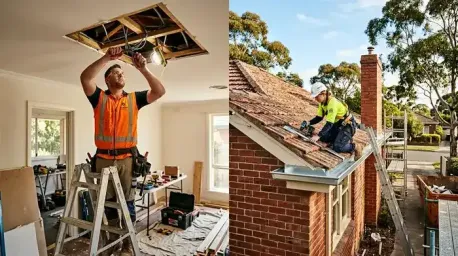
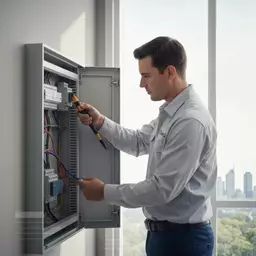
Ongoing maintenance includes scheduling regular inspections with a licensed electrician, checking connections for wear or damage, updating software for smart devices, and periodically testing all systems.
For residential properties, electrical inspections should be conducted at least once every two years. It's also advisable to have an inspection after any major installations or upgrades.
Once your smart home wiring system is installed, it’s vital to keep it functioning safely and efficiently. Regular maintenance is like a tune-up for your car; it ensures everything runs smoothly and helps catch potential issues before they escalate. In Sydney, where we see a variety of home automation systems, staying on top of maintenance is key to enjoying the full benefits of your smart home. If you're experiencing issues, knowing the signs your home needs electrical help can prompt timely intervention.
So, what does ongoing maintenance involve? Here are some best practices to consider:
Taking these steps can help prevent unexpected outages and keep your smart home running efficiently!
If you ever find yourself needing assistance or have questions about your smart home setup, it's essential to know where to turn. In Sydney, finding licensed electricians is just a click away, especially with platforms like Electricians Near Me. We are committed to connecting you with trusted professionals who understand the unique needs of smart home installations.
Additionally, our website offers resources and tips to ensure you make informed decisions when hiring a professional. Don't hesitate to reach out for help; your safety and comfort are worth it!
Regular electrical inspections are crucial, not just for compliance but also for your peace of mind. In Sydney, adhering to safety regulations ensures that your smart home remains a secure environment. As a homeowner, knowing when and why to schedule inspections can save you from potential hazards.
Here are some key points about electrical inspections:
Remember, staying proactive about electrical safety not only complies with local regulations but also protects your investment. Regular inspections can help you catch problems early, ensuring your home remains a safe haven.
Most home renovation delays don't come from th